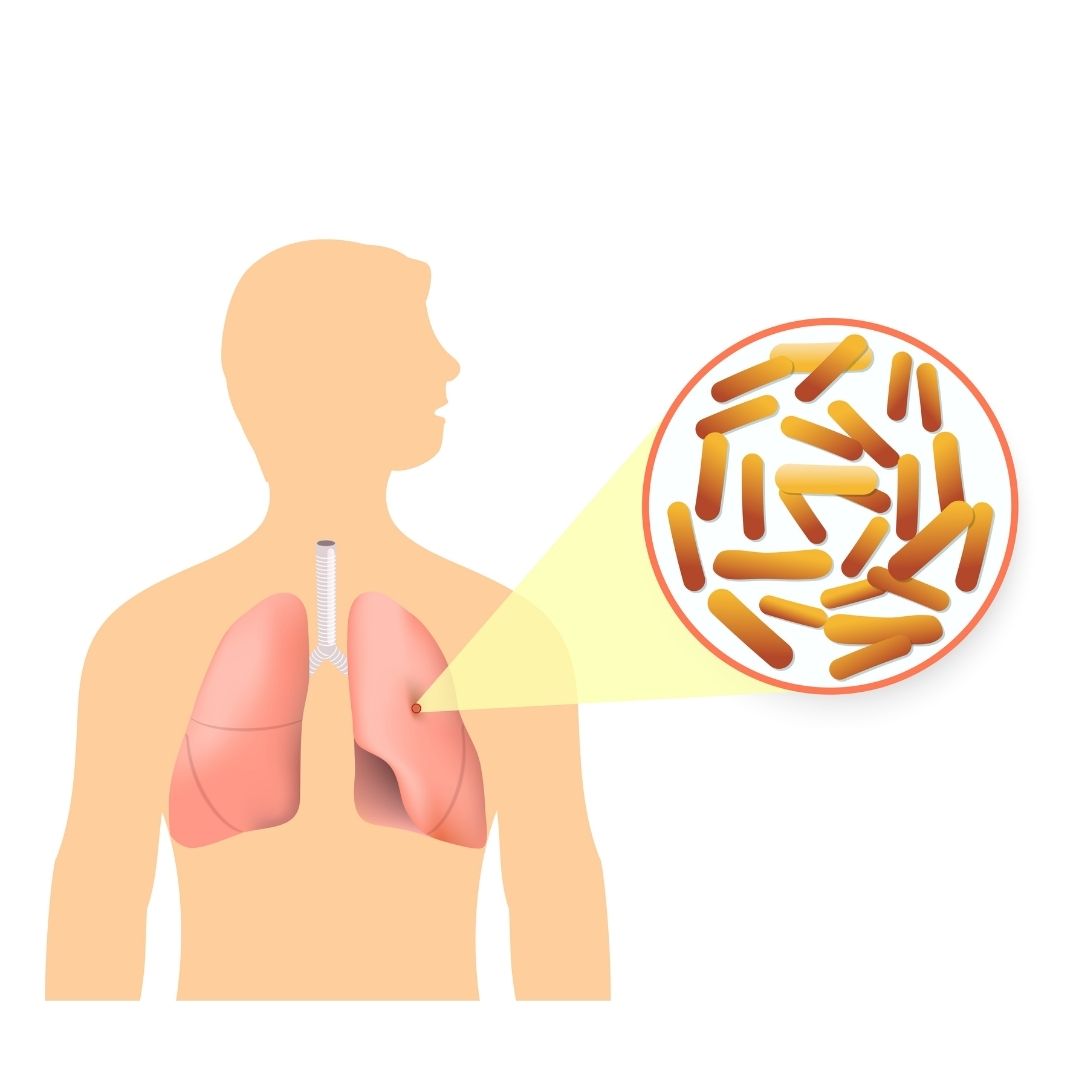
Treatments
Lung tuberculosis (TB) is a contagious bacterial infection caused by Mycobacterium tuberculosis that primarily affects the lungs. Common symptoms include persistent cough, chest pain, weight loss, and fever. Early diagnosis and appropriate treatment with antibiotics are essential to prevent further transmission and complications. Public health efforts aim to control and eradicate TB globally.
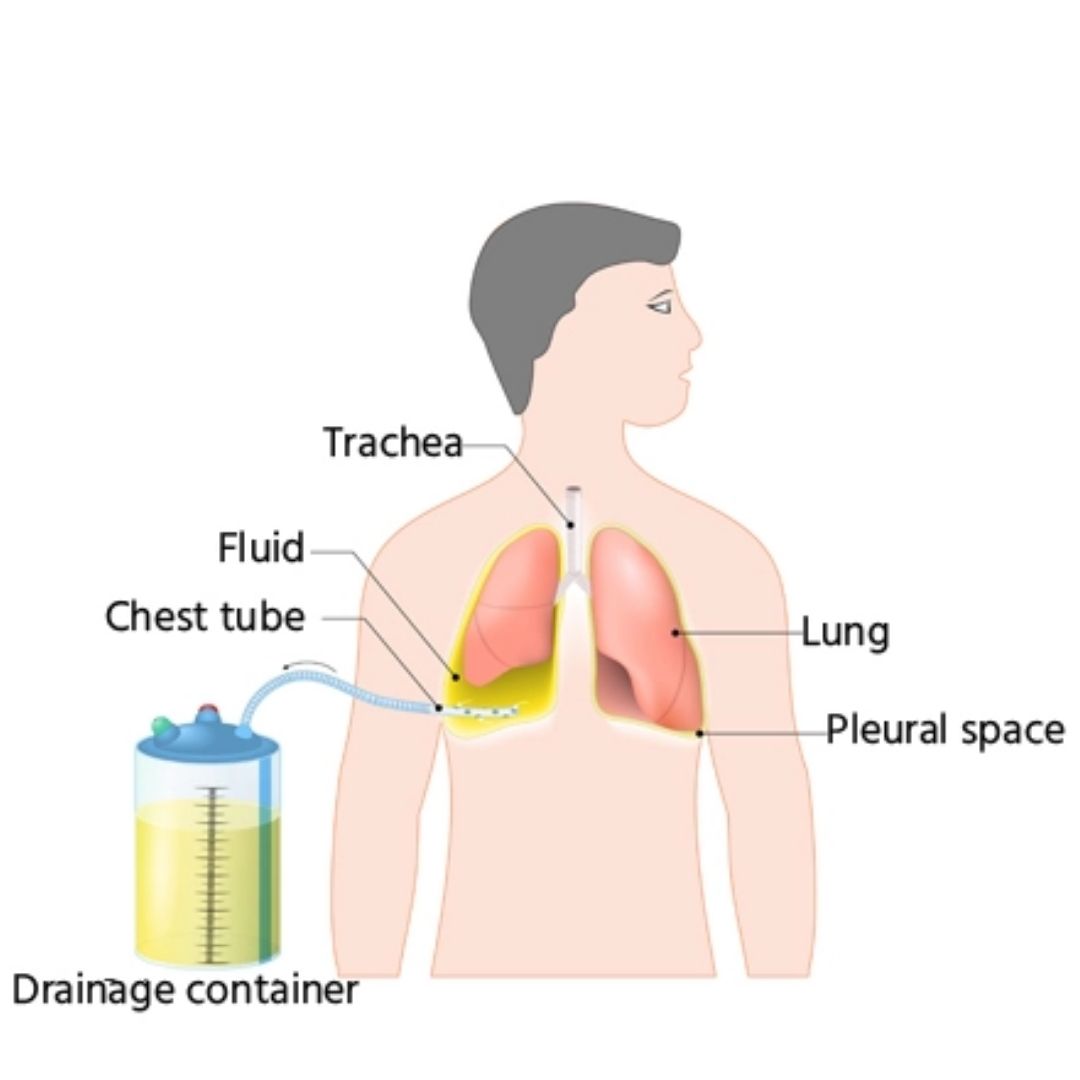
Pleural TB is a form of tuberculosis that affects the pleura, the thin membrane surrounding the lungs. It occurs when Mycobacterium tuberculosis infects the pleural space, leading to inflammation and the accumulation of fluid. Symptoms may include chest pain, cough, and difficulty breathing. Diagnosis involves imaging tests and analyzing pleural fluid. Treatment typically involves anti-TB medications and, in some cases, draining the fluid to relieve symptoms and aid recovery. Early detection and appropriate treatment are crucial for managing Pleural TB effectively.
Lymph node TB, also known as tuberculous lymphadenitis, is a form of tuberculosis that affects the lymph nodes. It occurs when Mycobacterium tuberculosis infects the lymph nodes, leading to their enlargement and formation of a lump. Commonly found in the neck, armpits, and groin, it may not cause specific symptoms but can cause swelling and pain. Diagnosis involves a biopsy and testing the tissue for TB bacteria. Treatment includes anti-TB medications to resolve the infection and reduce inflammation. Early detection and appropriate treatment are vital for managing Lymph node TB effectively and preventing its spread.
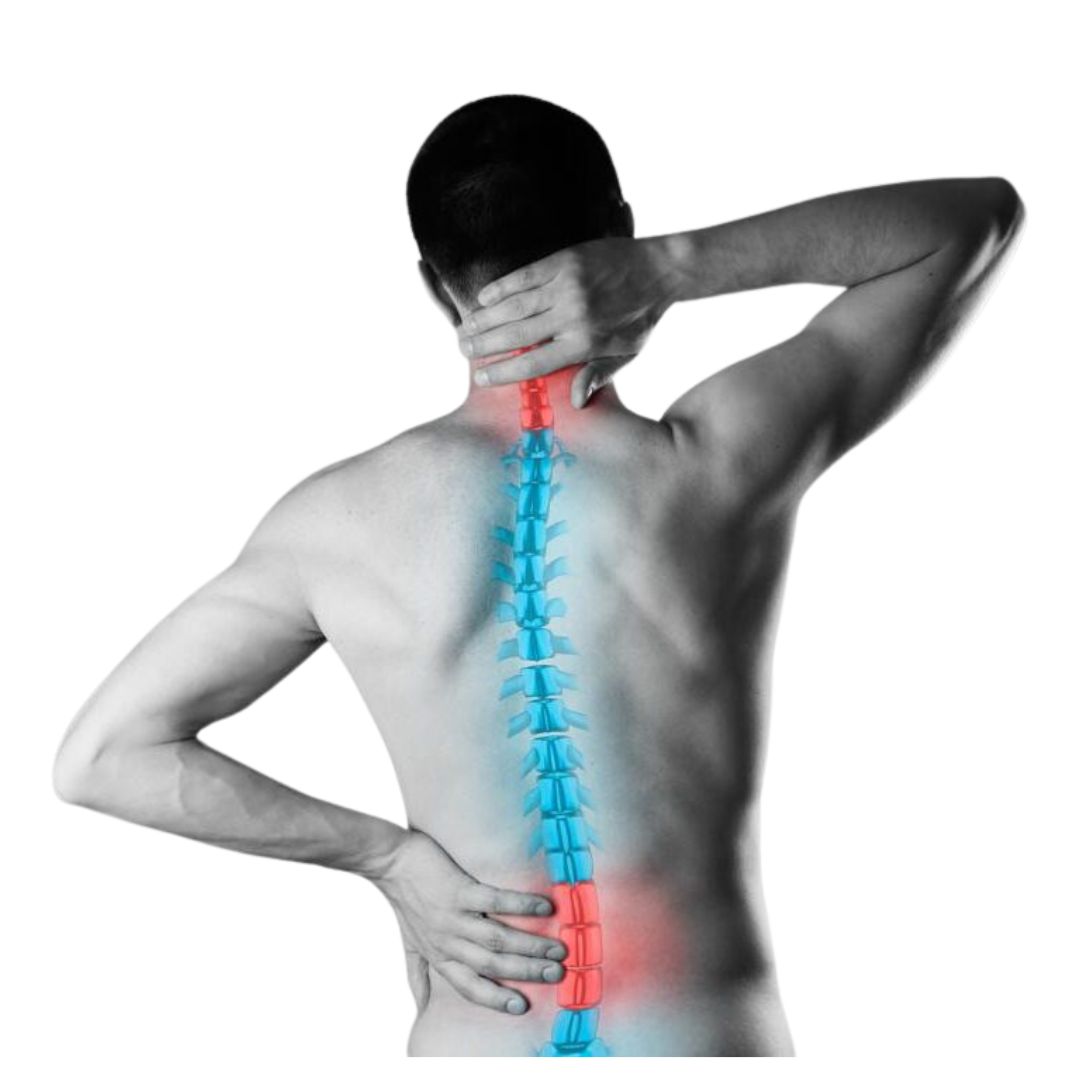
Spine TB, also known as tuberculous spondylitis or Pott's disease, is a form of tuberculosis that affects the spine. It occurs when Mycobacterium tuberculosis infects the vertebral bones, causing destruction and deformation. Symptoms may include back pain, stiffness, and neurological deficits if nerves are affected. Diagnosis involves imaging tests and testing samples from affected tissues for TB bacteria. Treatment typically involves prolonged anti-TB medications and, in severe cases, may require surgery to stabilize the spine. Early detection and appropriate treatment are crucial to prevent further damage and complications in Spine TB.
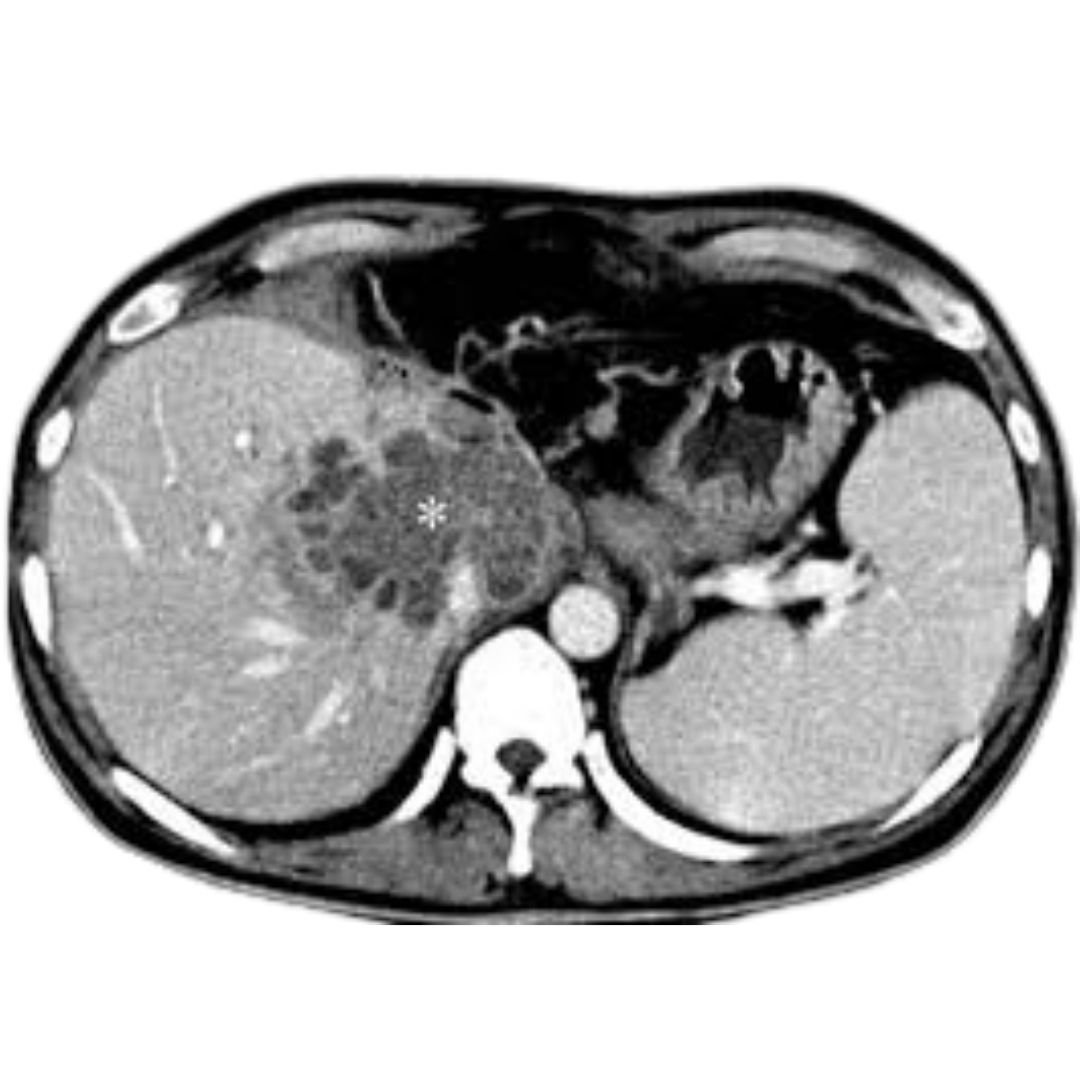
Liver TB, also known as hepatic tuberculosis, is a rare form of tuberculosis that affects the liver. It occurs when Mycobacterium tuberculosis infects the liver, leading to the formation of small nodules or granulomas. Liver TB often presents with nonspecific symptoms such as fatigue, loss of appetite, and abdominal discomfort. Diagnosis involves imaging tests, liver function tests, and analyzing liver tissue for TB bacteria. Treatment consists of anti-TB medications to resolve the infection and reduce liver inflammation. Early detection and appropriate treatment are essential for managing Liver TB effectively and preventing severe complications.
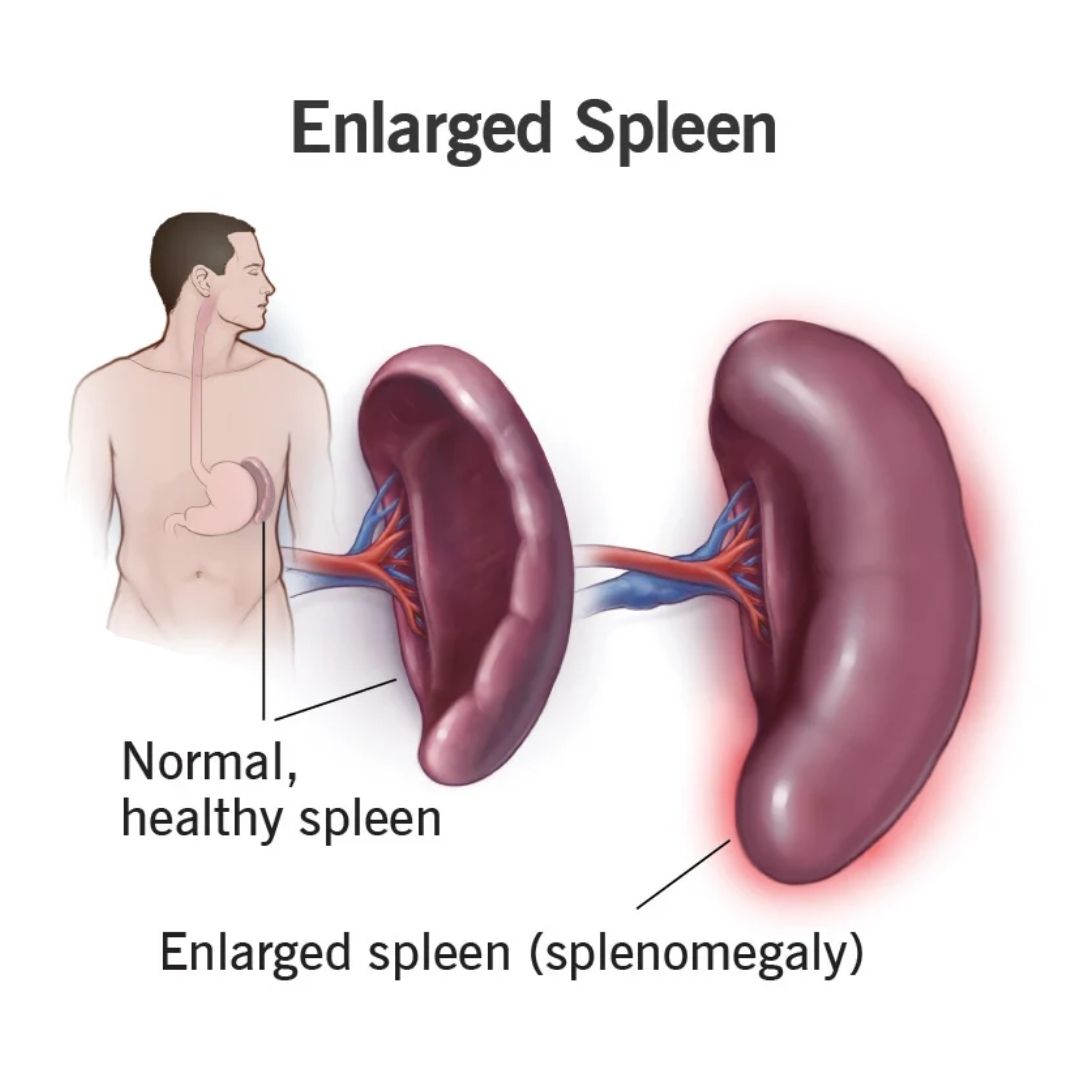
Spleen TB, also known as splenic tuberculosis, is a rare form of tuberculosis that affects the spleen. It occurs when Mycobacterium tuberculosis infects the spleen, leading to the formation of granulomas. Symptoms may include abdominal pain, fever, and anemia. Diagnosis involves imaging tests and analyzing spleen tissue for TB bacteria. Treatment includes anti-TB medications to resolve the infection and reduce spleen inflammation. Early detection and appropriate treatment are important for managing Spleen TB effectively and preventing complications.
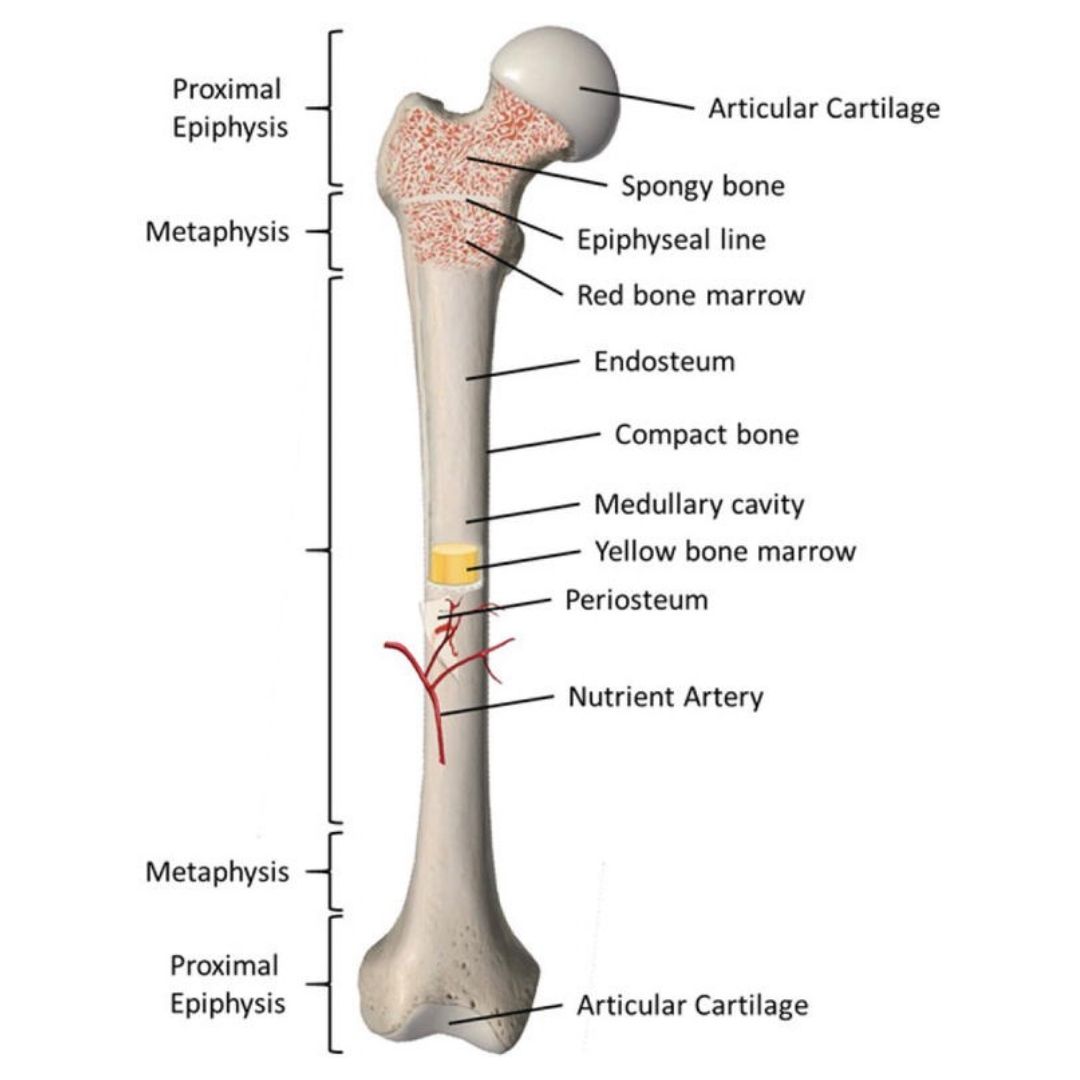
Bone TB, also known as skeletal tuberculosis or osteoarticular tuberculosis, is a type of tuberculosis that affects the bones and joints. It occurs when Mycobacterium tuberculosis infects the bone tissue, leading to destruction and deformities. Symptoms may include joint pain, swelling, and limited mobility. Diagnosis involves imaging tests and testing samples from affected bone tissues for TB bacteria. Treatment typically involves prolonged anti-TB medications and, in some cases, surgical intervention to repair bone damage. Early detection and appropriate treatment are essential for managing Bone TB effectively and preventing long-term complications.
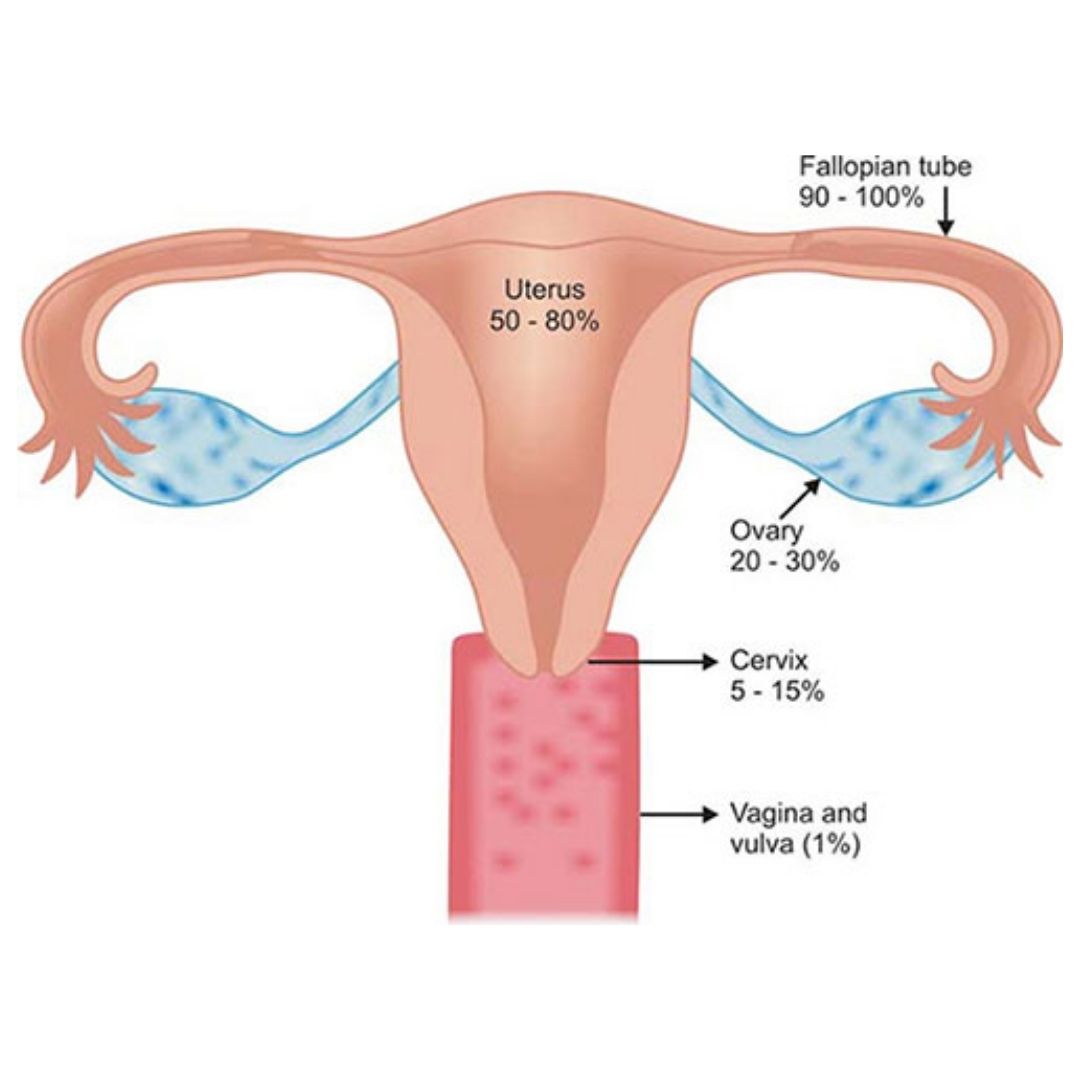
Uterine TB, also known as genital tuberculosis, is a rare form of tuberculosis that affects the uterus. It occurs when Mycobacterium tuberculosis infects the reproductive organs, leading to inflammation and scarring. Uterine TB may cause infertility and menstrual irregularities. Diagnosis involves imaging tests and analyzing samples from the uterus for TB bacteria. Treatment includes anti-TB medications to resolve the infection and preserve fertility. Early detection and appropriate treatment are crucial for managing Uterine TB effectively and addressing fertility concerns.
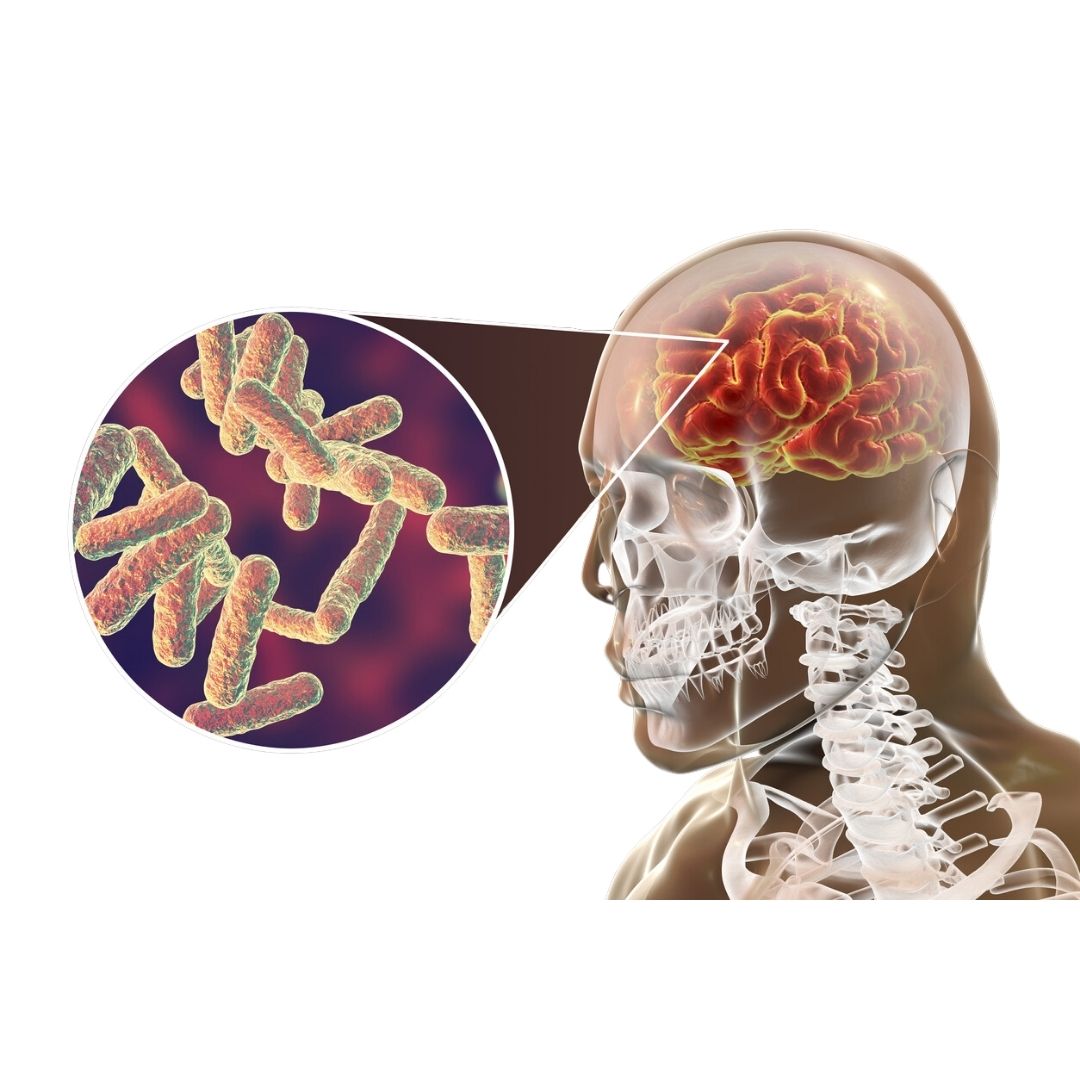
Brain TB, also known as tuberculous meningitis, is a severe form of tuberculosis that affects the brain and its surrounding membranes. It occurs when Mycobacterium tuberculosis infects the central nervous system, leading to inflammation and fluid buildup. Symptoms may include severe headaches, fever, confusion, and neurological deficits. Diagnosis involves imaging tests and analyzing cerebrospinal fluid for TB bacteria. Treatment includes prolonged anti-TB medications and sometimes corticosteroids to reduce inflammation. Brain TB requires urgent medical attention, as it can be life-threatening if left untreated. Early detection and appropriate treatment are essential for managing Brain TB effectively and preventing serious complications.
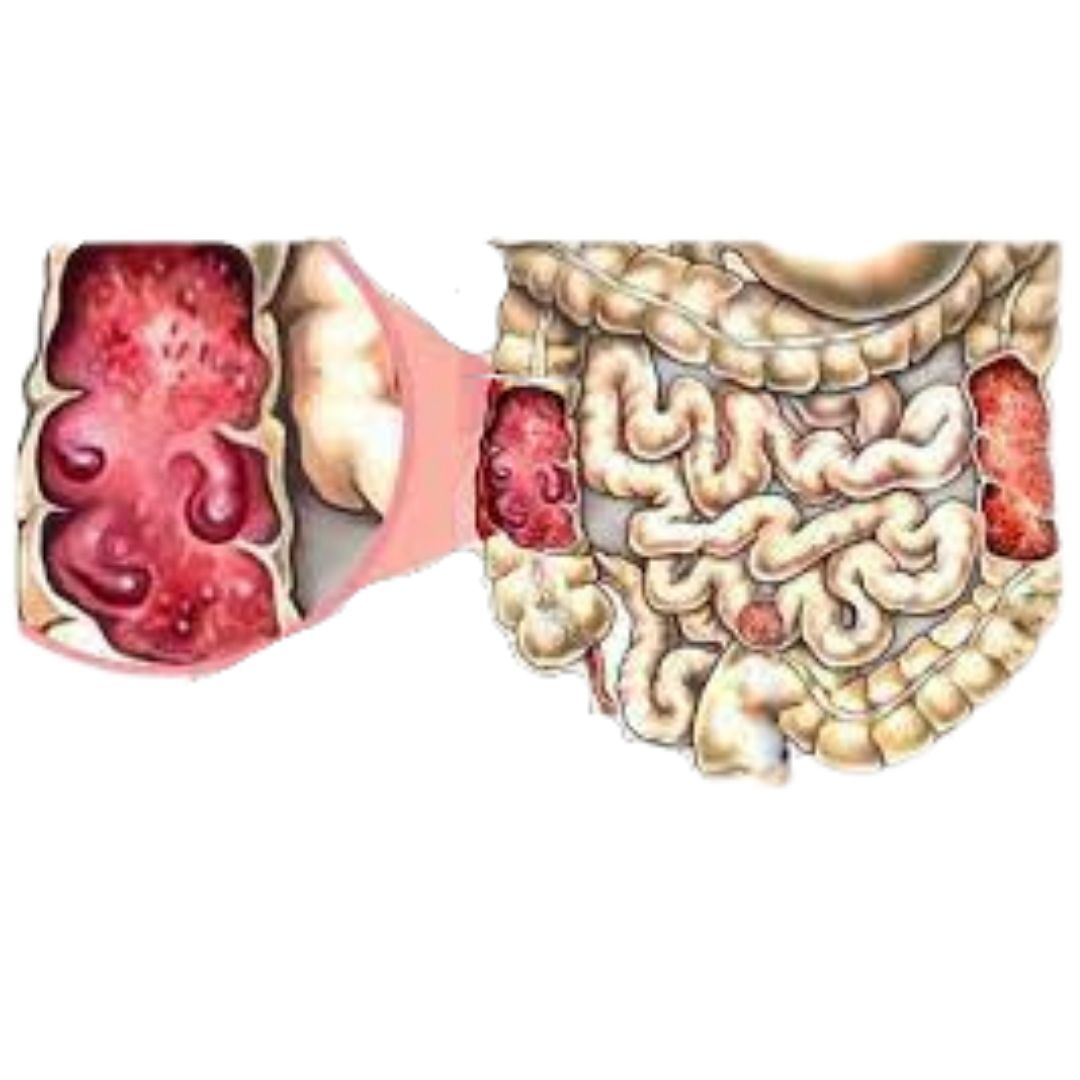
Intestinal TB, also known as gastrointestinal tuberculosis, is a type of tuberculosis that affects the digestive tract. It occurs when Mycobacterium tuberculosis infects the intestines, leading to inflammation and ulcer formation. Intestinal TB may cause abdominal pain, diarrhea, and weight loss. Diagnosis involves imaging tests and analyzing samples from the digestive tract for TB bacteria. Treatment includes anti-TB medications to resolve the infection and promote healing. Early detection and appropriate treatment are vital for managing Intestinal TB effectively and preventing complications such as bowel obstruction.
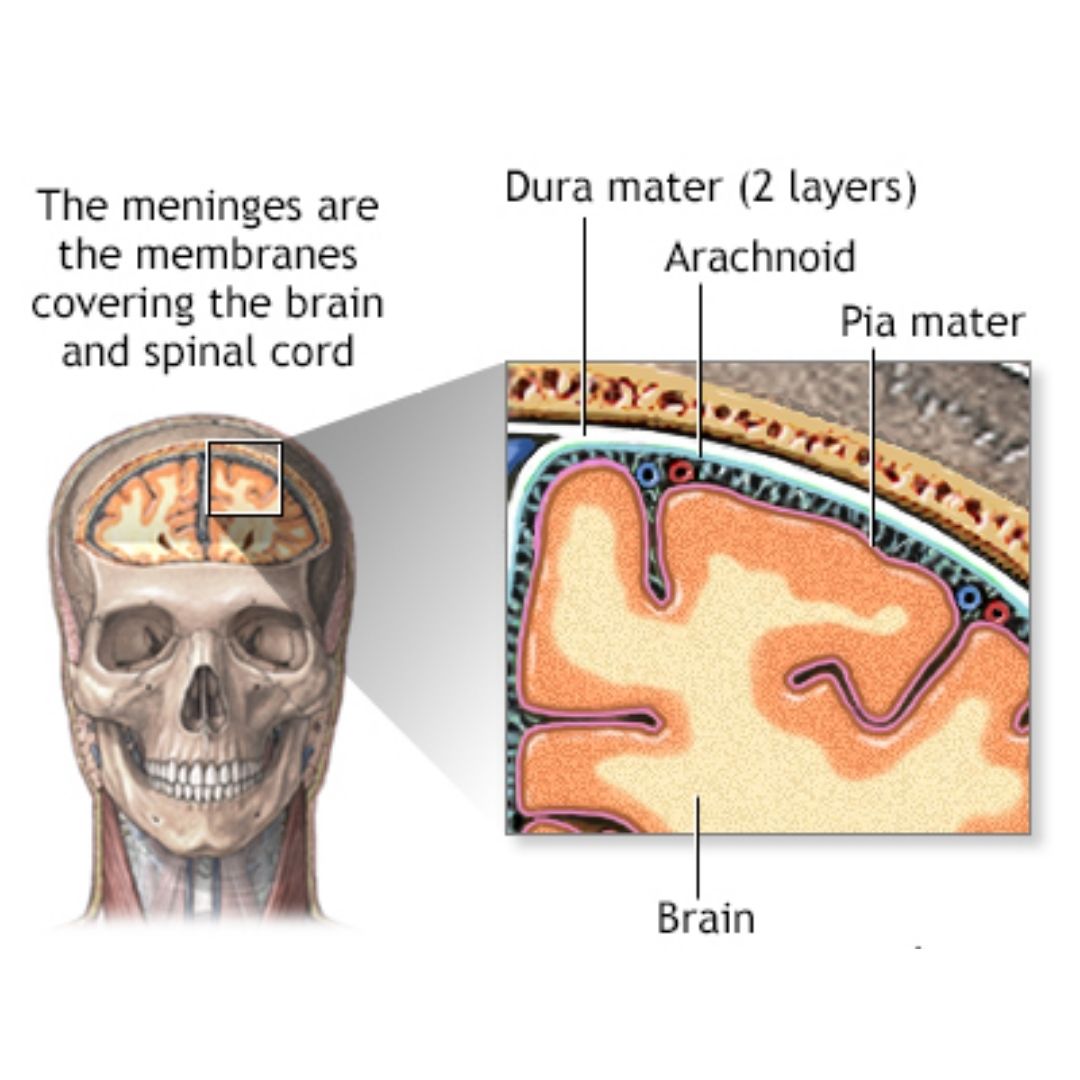
Meningitis TB, also known as tuberculous meningitis, is a severe form of tuberculosis that affects the membranes surrounding the brain and spinal cord. It occurs when Mycobacterium tuberculosis infects the meninges, leading to inflammation and fluid buildup. Meningitis TB may cause severe headaches, fever, neck stiffness, and neurological deficits. Diagnosis involves analyzing cerebrospinal fluid for TB bacteria. Treatment includes prolonged anti-TB medications and sometimes corticosteroids to reduce inflammation. Meningitis TB requires urgent medical attention, as it can be life-threatening if left untreated. Early detection and appropriate treatment are crucial for managing Meningitis TB effectively and preventing serious complications.